Sustaining audiovisual creators: CISAC and VG BILD-KUNST convene global voices at Berlinale EFM 2026
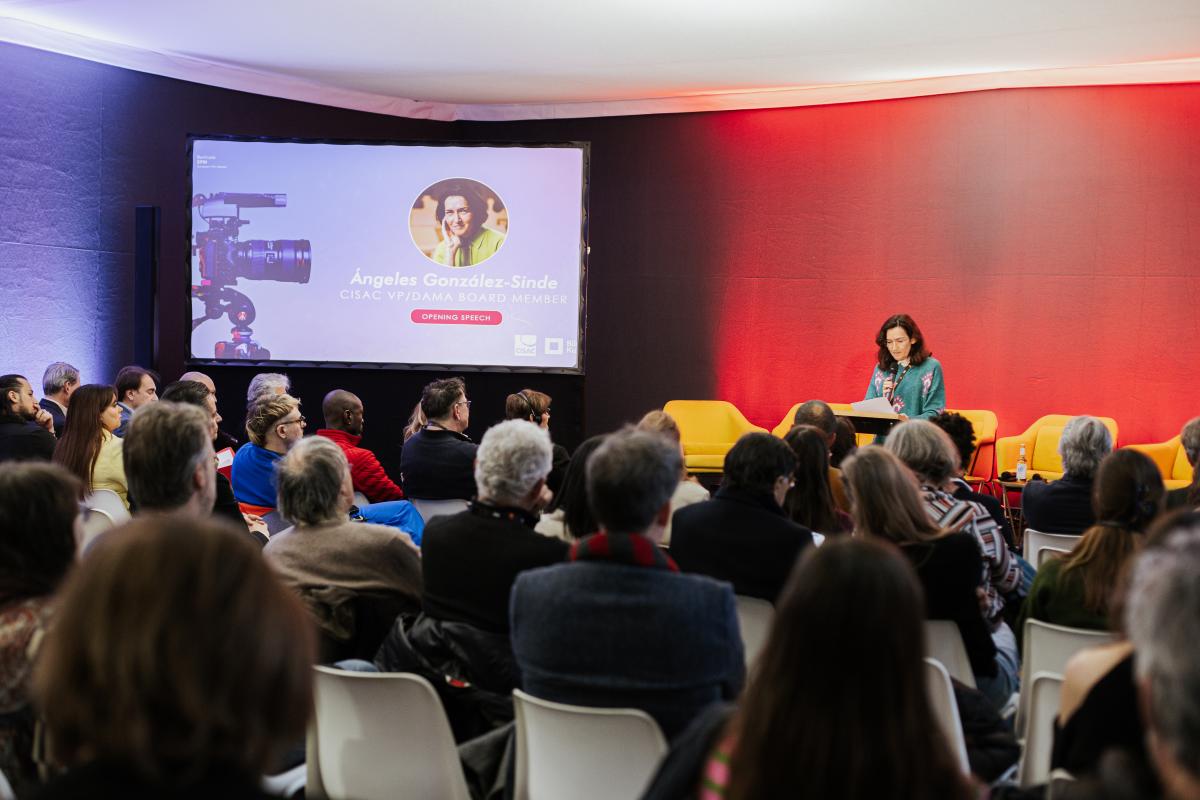
On 13 February, as the global film community gathered in Berlin for the European Film Market, CISAC and German collective management society VG BILD-KUNST shifted the focus from premieres and projections to a more fundamental issue: the sustainability of those who create the stories. The event, Sustaining AV Creators in a Shifting Market: The Economic Power of Authors’ Rights, examined the current challenges of the audiovisual market and the importance of a sustainable royalty income for creators.
Across two panels featuring global audiovisual authors and collective management leaders, the conversations recognised that while the audiovisual sector is expanding globally, the economic position of screenwriters and directors is increasingly fragile. The panellists explored how to ensure that the global success of audiovisual works translates into fair income, transparency and lasting creative independence for those who make them.
Watch the recording of the event
When the chain of return breaks
CISAC Vice President, DAMA Board memeber, film director and screenwriter Ángeles González-Sinde set the tone by placing today’s challenges within a broader historical frame. Authors’ rights, she recalled, were born alongside human rights, grounded in the principle that a work belongs to its creator.
In the streaming age, that principle is under strain. Films now travel across borders and platforms with unprecedented speed and reach. Platforms can measure every view in real time. But many creators still have little visibility over how their works are exploited or what revenues they generate beyond an initial fee.
The result is a growing disconnect between global circulation and authors’ remuneration. When sustained income is absent, only those with financial privilege can afford to remain in the profession. Risk-taking narrows. Diversity declines. “Without authors’ rights,” she warned, “culture becomes privilege, not democracy.” What should be a golden age for creators increasingly feels like a broken chain of return.
Artificial intelligence adds a new layer of urgency. As AI systems are trained on creative works and generate competing outputs, questions of transparency, consent and remuneration become central. Regulating AI, she stressed, “is not censorship. It is democratic hygiene.” Transparency obligations, licensing frameworks and fair payment “are not obstacles to innovation, but safeguards to ensure that technological progress does not override the social contract that sustains democratic culture”.
For González-Sinde, this also requires a shift in governance. Creators are still largely absent from regulatory discussions that directly shape their professional future. Any effective framework must not only guarantee transparency and fair remuneration, but also ensure that authors have a meaningful role in shaping the rules that govern the use of their work.
Creators on the front line
The first panel, moderated by Samuel Sangwa (CISAC Director for Africa), brought together screenwriters from Europe and Latin America: Carlos Gaviria (REDES, Colombia), André Mielnik (GEDAR, Brazil), Inés París (SGAE, Spain), Bill Anderson (Directors UK), and Jobst Oetzmann (VG Bild-Kunst, Germany).
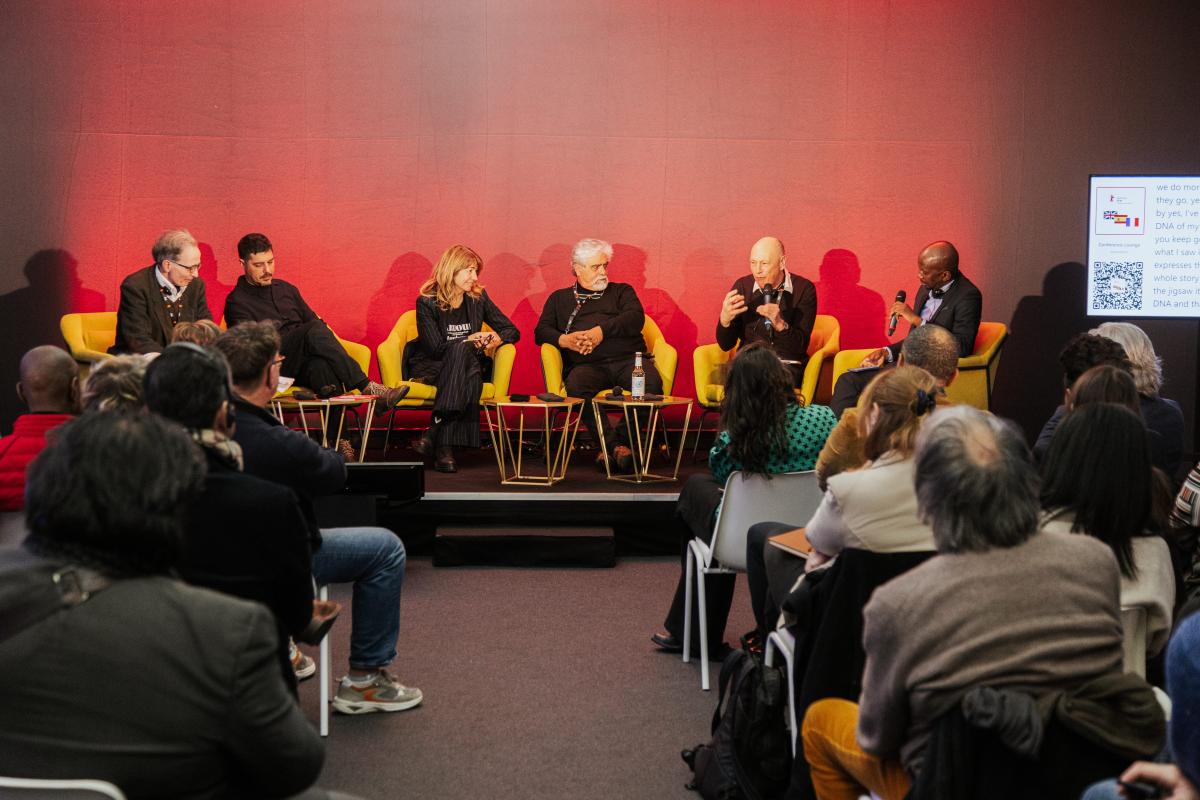
Their experiences, though rooted in different legal systems, revealed a shared reality. Screenwriters and directors initiate the entire value chain, yet too often receive only a small share of the long-term revenues their works generate. Key uses such as streaming and video-on-demand frequently fall outside effective remuneration systems. Buyout practices remain widespread, allowing producers and platforms to limit ongoing obligations to creators. The rapid expansion of AI adds another layer of uncertainty.
In Spain, Germany and the UK, panellists highlighted unstable incomes and the structural imbalance between individual creators and large production or streaming companies. In Brazil, the absence of statutory remuneration rights for exploitation of works means that most screenwriters cannot survive on writing alone. According to data shared during the discussion, only 27.5% of Brazilian screenwriters work exclusively in their craft, while the majority supplement their income through teaching, online courses or employment in entirely different sectors. A video interview with Brazilian screenwriters and directors (see clip at the end of this article) presented at the event further illustrated the economic pressures facing creators in the country.
Colombia provided a contrasting example. The Pepe Sánchez Law established an inalienable right to remuneration, anchored as a human right and managed collectively. Over the past decade, it has delivered substantial revenues to creators while reinforcing social support mechanisms, demonstrating how legislative reform can rebalance the system.
Across markets, one conclusion stood out: individual negotiation is rarely enough. In a global industry shaped by powerful financiers and distributors, meaningful bargaining power depends on collective representation through CMOs and statutory protections.
Turning rights into income
The second panel, moderated by CISAC’s Senior Legal Advisor Leonardo de Terlizzi, focused on practical solutions. Urban Pappi (VG BILD-KUNST), Andy Harrower (Directors UK) and Nieves Maroto (SGAE) examined how collective management and statutory remuneration rights can deliver real economic returns.
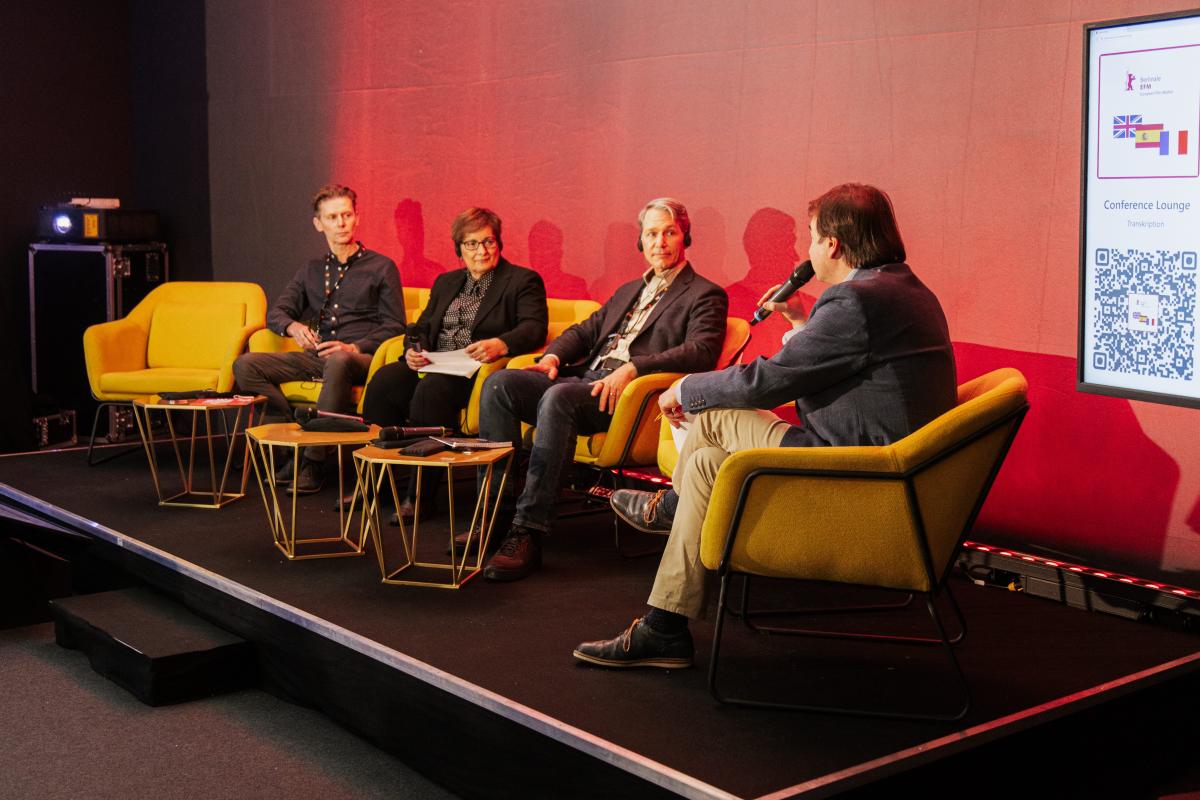
Evidence from Spain demonstrates the measurable impact of statutory remuneration rights when they are enshrined in law and managed collectively. Data from an upcoming survey by Spanish member societies SGAE and DAMA, presented during the event, shows that 60% of audiovisual creators view royalties as an essential source of income sustaining their livelihoods. For 19%, royalty payments represent at least one fifth of their annual earnings.
In Germany, the need for direct remuneration rights for video-on-demand uses remains a priority, as negotiated contracts alone have proved insufficient to address structural imbalances. In the UK, residual agreements with broadcasters have generated substantial returns over decades, though similar protections are still being sought in the streaming environment.
Looking ahead, the discussion turned to AI and European copyright reform. Current frameworks were widely viewed as inadequate for generative AI. Beyond licensing for training uses, there were calls for mechanisms that ensure ongoing remuneration tied to AI outputs, recognising that these systems depend fundamentally on human-created works.
Proven models, Global ambition
One conclusion resonated throughout the event: creators are not asking for special treatment. They seek transparency, fair remuneration and the ability to make a sustainable living from their work.
Concrete models already exist. In countries including Spain, Italy, Poland, Colombia, Chile and Argentina, statutory remuneration rights managed collectively are delivering real income while supporting a vibrant audiovisual sector. These systems demonstrate that strong authors’ rights and a thriving industry go hand in hand.
In the last five years, CISAC, in collaboration with the Society of Audiovisual Authors, developed a series of case studies highlighting the positive impact of statutory remuneration rights on creators and the broader industry. Find them here: Italy, Latin America, Poland, Spain.
CISAC continues to campaign for global recognition of unwaivable remuneration rights for audiovisual creators. As technology evolves and AI expands, the core principle remains unchanged: creators must retain control over the use of their works and share fairly in the value they generate.