The value of creation: screenwriters call for sustainable creative careers in Brazil
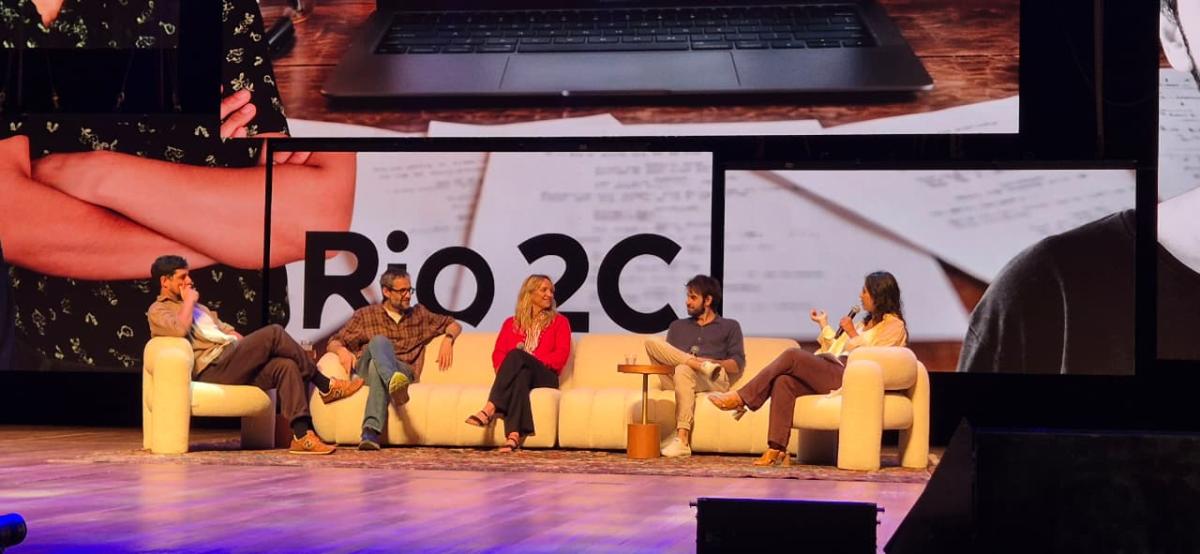
At Rio2C, the largest creativity and innovation gathering in Latin America, the creators behind Money Heist, Nice Girls, Super Mâles and Pico da Neblina came together to discuss the conditions that allow creativity to thrive in the audiovisual industry. The conversation explored the current issues facing creators and the ongoing efforts to strengthen protection for audiovisual creators in Brazil.
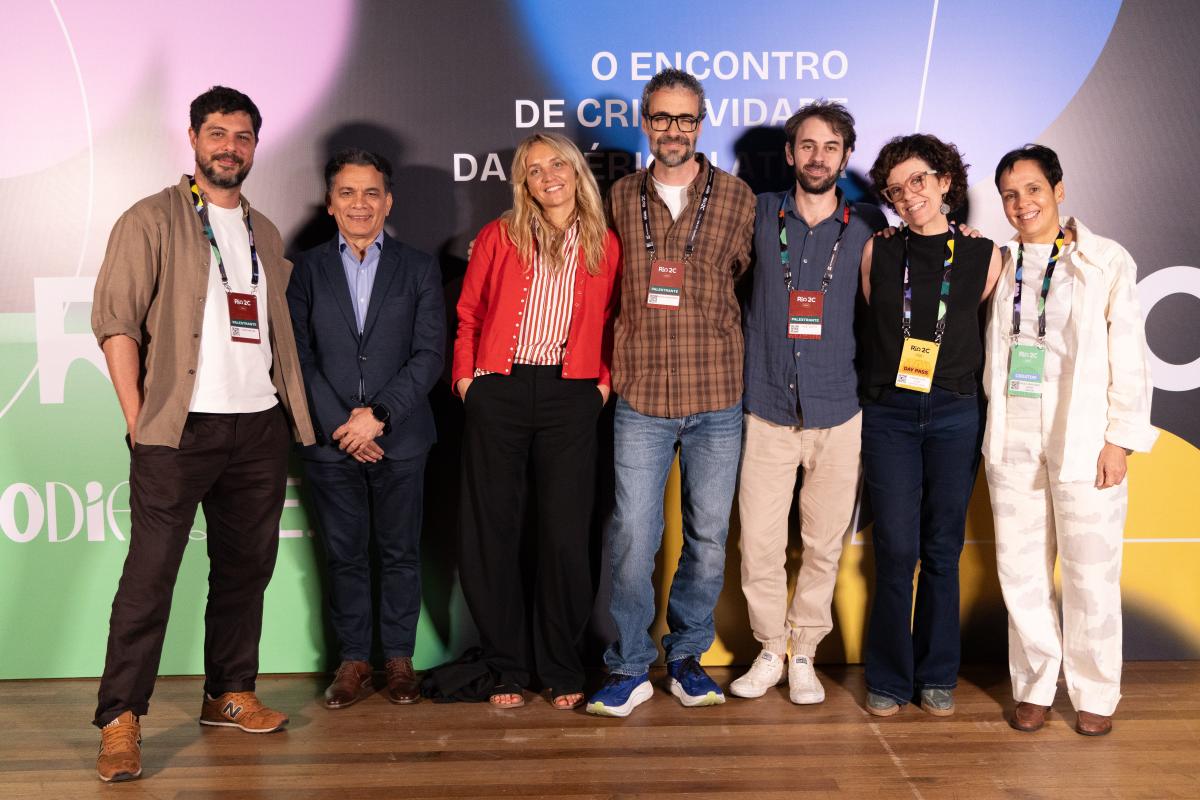
Organised by CISAC and GEDAR on 27 May, the panel featured Spanish screenwriter Javier Gómez Santander (Money Heist), French screenwriter and director Noémie Saglio (Nice Girls, Super Mâles), Brazilian screenwriter Cauê Laratta (Pico da Neblina) and GEDAR President André Mielnik. CISAC’s Creators Relations Manager Luisa Luna moderated the panel.
Personal testimonies from the panellists painted a picture of a profession shaped by both creativity and uncertainty. Screenwriters often spend years developing stories before they reach audiences, with no guarantee that a project will ever be produced. Careers are built project-by-project, and success remains notoriously difficult to predict. Director Noémie Saglio described an industry where failure is often more common than success.
Screenwriter Javier Gómez Santander explained that the current market lacks fairness because despite growing global demand for content , many of the writers behind successful works remain excluded from the long-term value generated by them. Furthermore, films are often generated by creators' experiences, emotions and personal histories. “For me, we are talking about rights. Not benefits, not privileges. Rights,” he said. “It’s a matter of justice.”
France and Spain provide great examples of how remuneration rights can help address the current market challenges. In both countries, creators continue to receive remuneration when their works are broadcast and exploited over time, providing continuity between productions and greater freedom to develop new projects. Saglio described these revenues as more than financial support but also serving as recognition that a work can continue to reach audiences and retain value long after its initial creation.
In contrast, audiovisual authors in Brazil do not currently benefit from a remuneration right for the exploitation of their works. Brazilian screenwriter Cauê Laratta described the consequences of this as something that affects not only creators, but also the wider industry. “If you want the creator economy to work, you have to value the creator,” she said.
The ability to develop original stories, take creative risks and bring new voices into the industry equally depends on creators having the time and stability to invest in their work. GEDAR President André Mielnik described remuneration rights as a mechanism that helps “keep works circulating, keep creators creating and keep culture alive”, emphasising that the ultimate beneficiary is not only the creator but the industry itself.
Panellists called on the Brazilian government and audiovisual industry to invest in the future of Brazil's audiovisual sector and the next generation of stories it will produce and join the growing number of countries that recognise remuneration rights for audiovisual authors.