Fair Pay, Fair Voices: women creators call for equity in Africa's audiovisual sector
African stories are reaching global audiences like never before, but many of the women behind them continue to face barriers to fair remuneration, legal protection and professional opportunity.
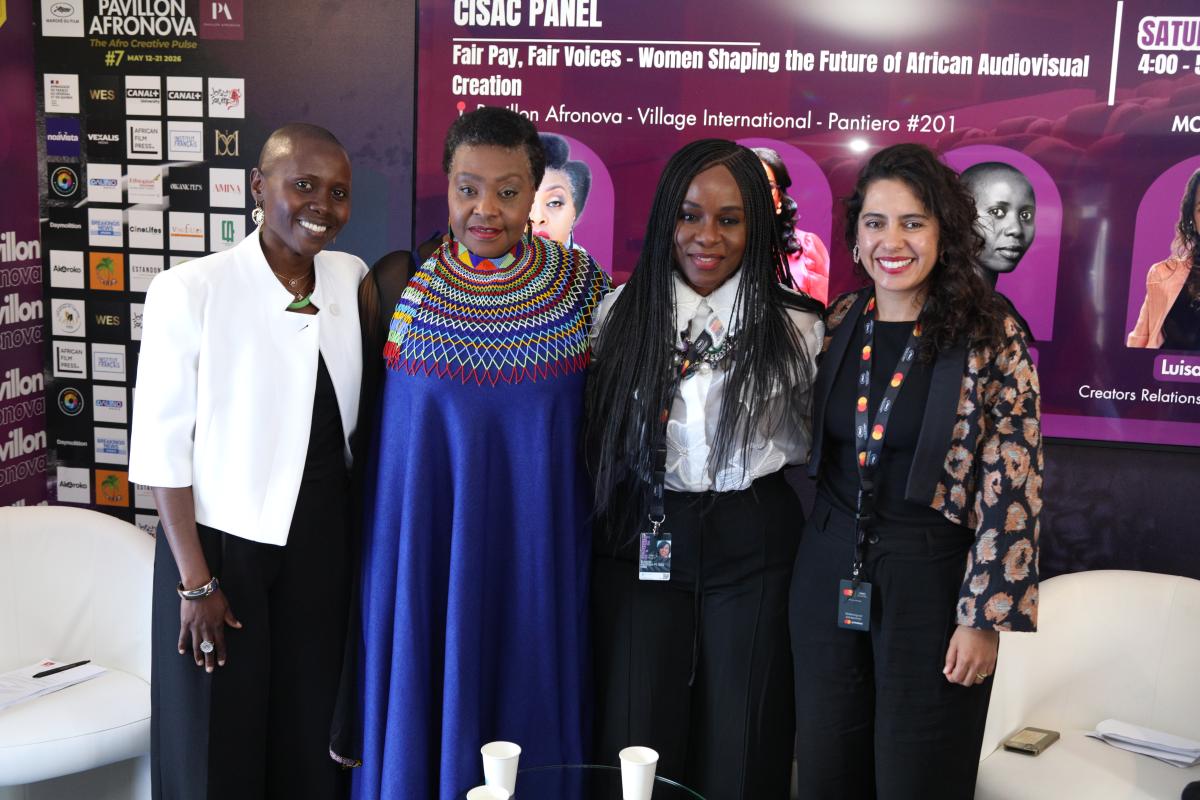
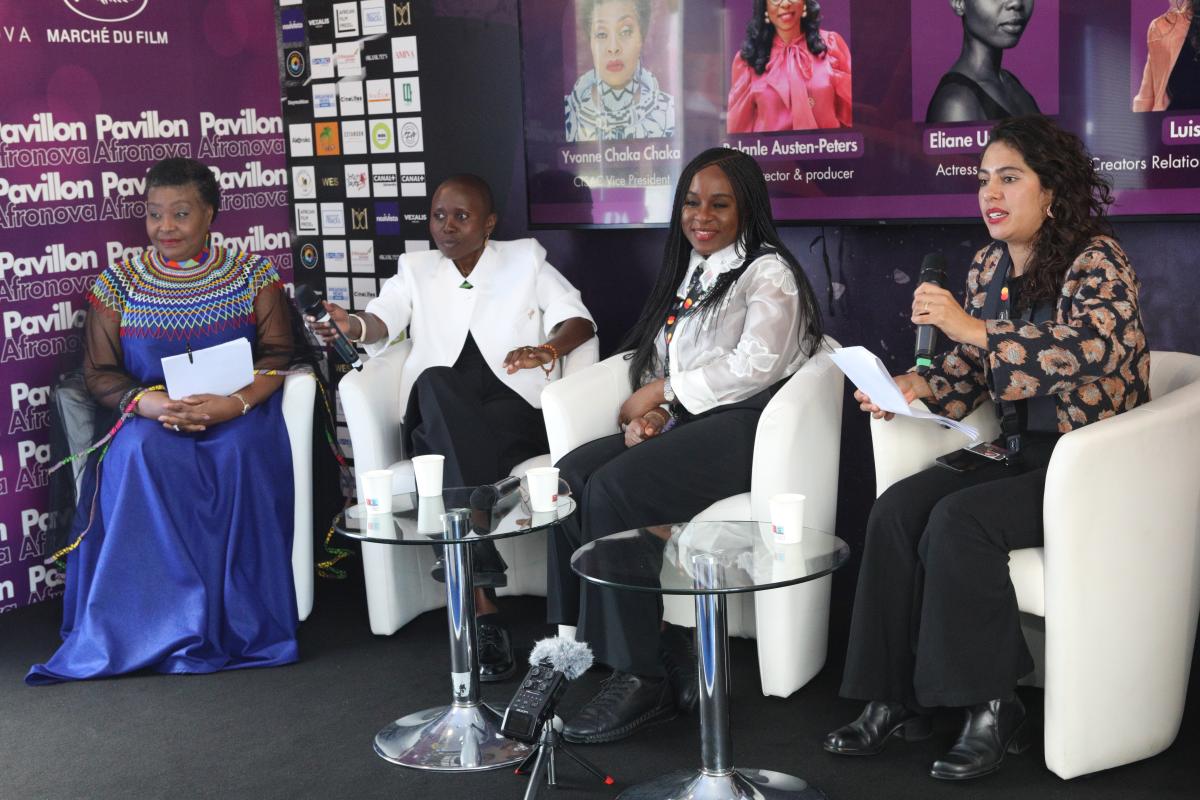
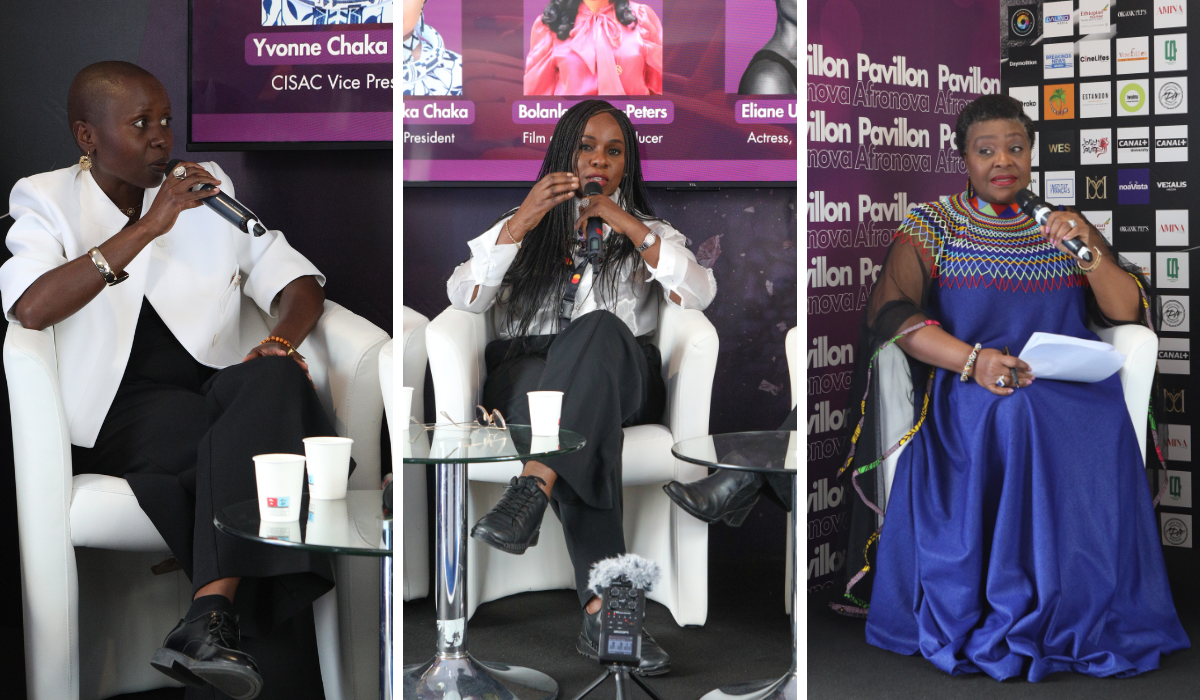
At the 2026 Festival de Cannes, CISAC's audiovisual panel Fair Pay, Fair Voices: Women Shaping the Future of African Audiovisual Creation brought together CISAC Vice-President Yvonne Chaka Chaka, Rwandan actress and producer Eliane Umuhire, and Nigerian Director and producer Bolanle Austen-Peters to discuss how stronger rights frameworks, collective management systems and greater gender equity can help build a more sustainable future for Africa's audiovisual sector. CISAC Creators Relations Manager Luisa Luna moderated the discussion.
From visibility to value
Yvonne Chaka Chaka opened the discussion by placing fairness at the centre of Africa's audiovisual future, stressing that global visibility must translate into rights and remuneration.
“Africa is not short of talent. Africa is not short of stories. What we are still fighting for is fairness.”
Creators must retain control over how their works are used and share in the long-term value they create. For women creators, persistent inequalities continue to limit opportunities and bargaining power.
“Women creators deserve more than access. They deserve equity,” said Chaka Chaka.
When rights and protections fall short
Behind the debate over rights and remuneration lies a more personal reality.
One of Umuhire’s earliest international productions, a Polish film shot in Rwanda, exposed how easily creators can be excluded from the long-term value of their work. Although the film went on to find international success, she received only a one-off payment, earned significantly less than her European co-star and had little influence over the contractual terms governing her participation.
Her experience reflected a broader reality across much of the continent, where weak contractual protections and unequal bargaining power often leave creators without a meaningful share in the value they create.
Umuhire also spoke openly about the link between economic insecurity and abuses of power, including sexual harassment and exploitation in the industry. While stronger legal protections remain essential, she stressed the importance of solidarity among women creators.
“The other resource we have, while waiting for legislation, is solidarity. We need to create a real ‘mafia of women’, a network where women support one another and share opportunities.”, she said.
Making rights work in practice
The conversation shifted from the challenges creators face to the systems needed to address them.
For Bolanle Austen-Peters, “the challenge is not awareness anymore, but effectiveness.” While creators increasingly understand the importance of copyright and remuneration rights, many still struggle to benefit from them.
“We should study the models that worked before, understand why they worked, and adapt those best practices for today.”
Rights only become meaningful when creators can exercise them. That requires strong copyright frameworks, effective collective management systems and the commitment to enforce them in practice.
Nigeria offers a recent example of efforts to strengthen audiovisual rights management across the continent. The Audiovisual Rights Society (AVRS) became the first African audiovisual collective management organisation admitted to CISAC.
Shaping the stories of tomorrow
Recognition alone will not change the conditions under which women create. Progress requires stronger copyright protections, unwaivable remuneration rights, effective collective management, greater awareness among creators of their rights, and increased participation of women across the audiovisual sector.
As Umuhire put it, “If women are given support, they don’t just participate, they lead.”