CISAC European Committee addresses AI, market developments and rights management challenges
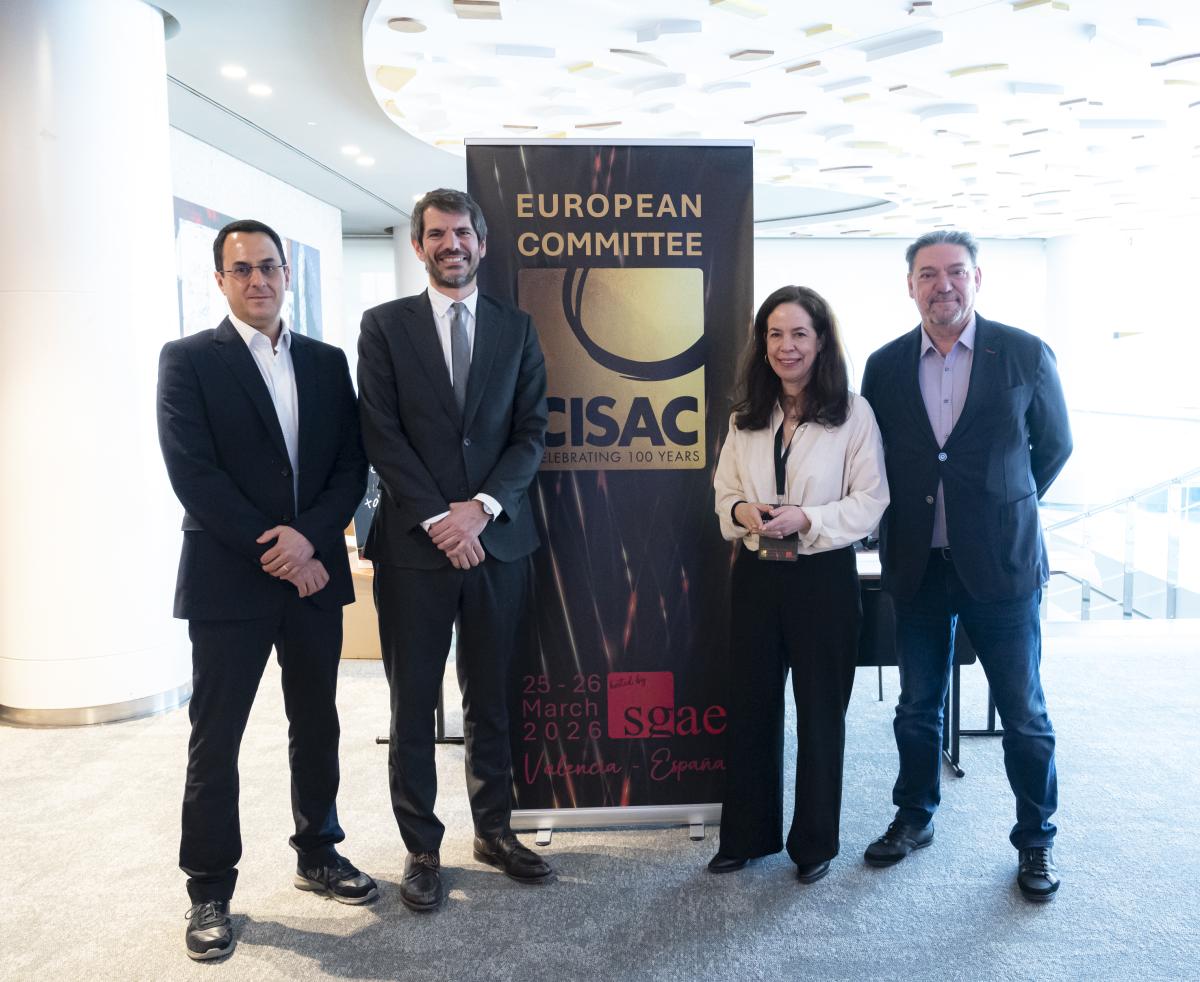
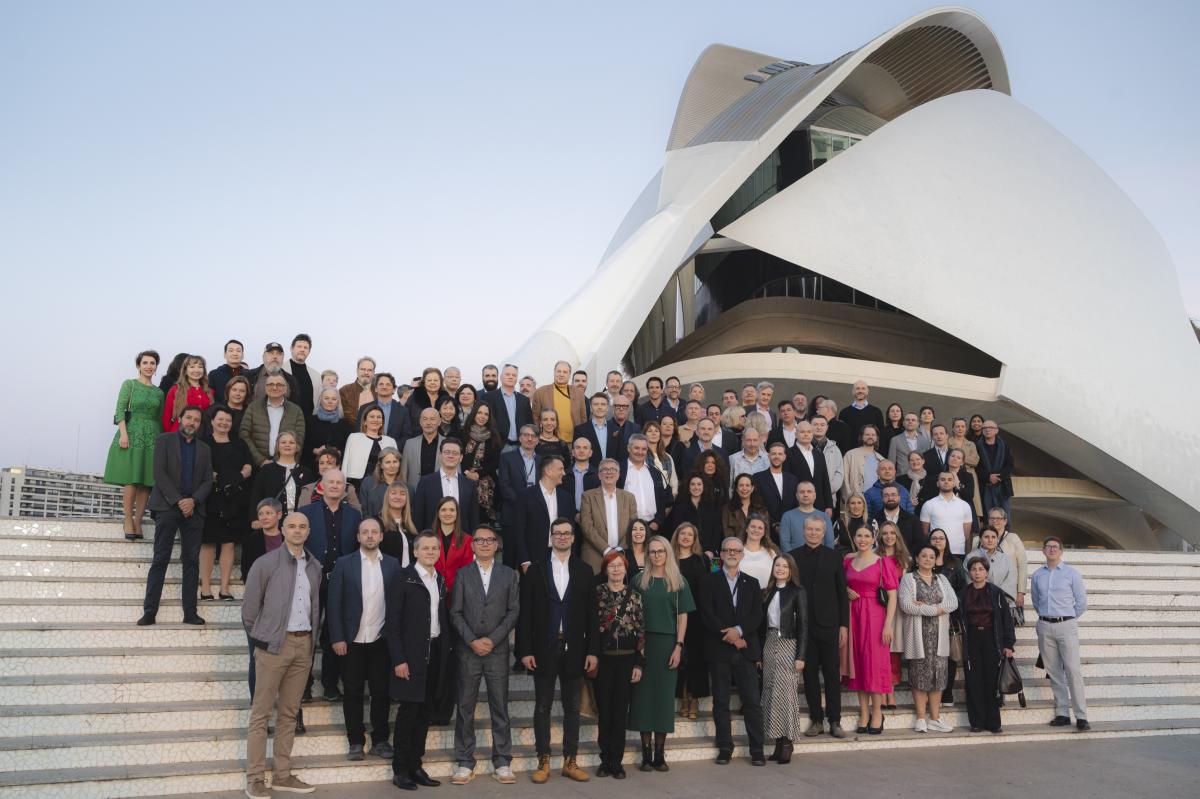
More than 150 representatives of authors’ societies gathered in Valencia on 25–26 March for the annual CISAC European Committee, hosted by Spanish member society, SGAE.
With participants from Europe as well as the United States, Japan, Canada and Mexico, the meeting drew a record turnout, reflecting both the scale of change facing the sector and the need for cooperative action.
Over two days, discussions centered on CISAC’s strategic priorities, the impact of artificial intelligence on the creative ecosystem, and evolving market dynamics shaping the future of collective management .
Artificial intelligence at the heart of discussions
Artificial intelligence featured prominently throughout the programme, highlighting its growing influence across all creative industries and repertoires.
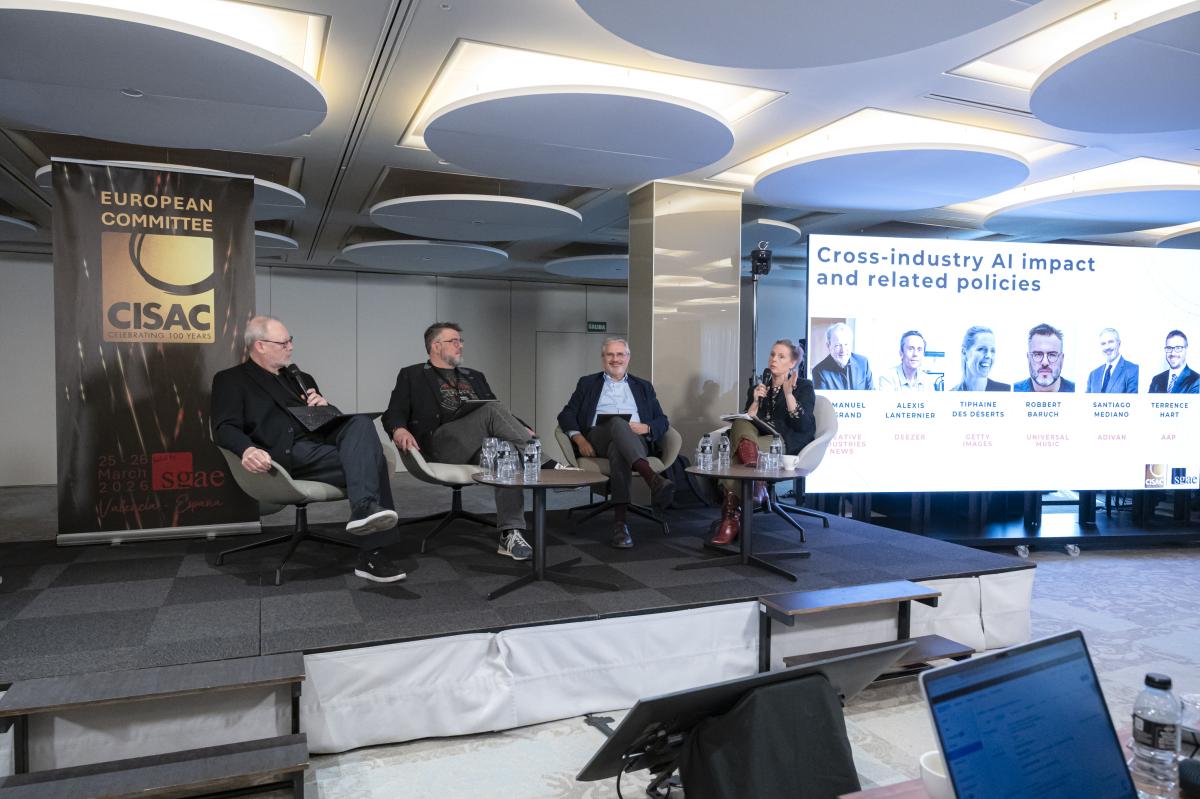
This was explored in depth through panel discussion which brought together voices from the creative and technology sectors to assess how AI is transforming the use of content and what policy responses are needed to ensure transparency, accountability and fair remuneration .
The recently adopted CISAC AI guiding principles for audiovisual societies were also presented, setting out a common framework to help societies navigate the challenges posed by generative AI.
Spain’s Minister of Culture, Ernest Urtasun, attended the meeting and delivered the closing address.
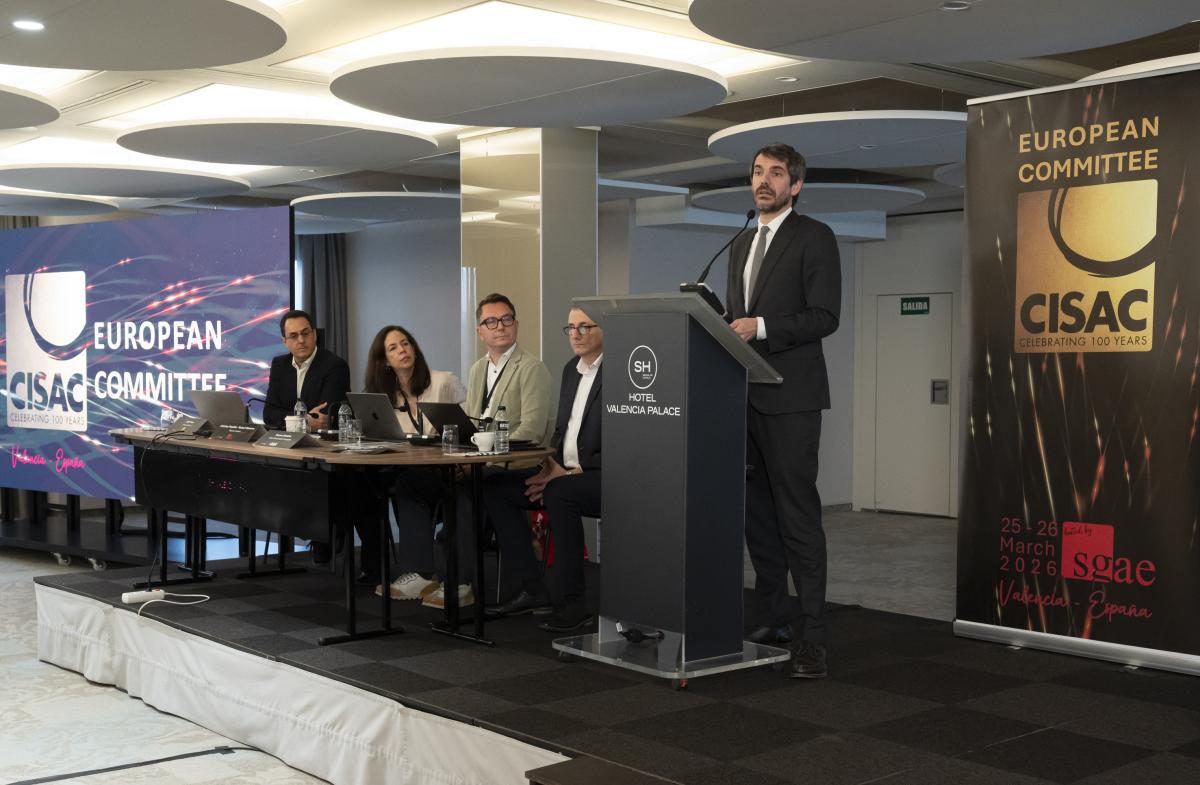
He warned that generative AI systems rely on pre-existing works, and that the large-scale use of protected content without transparency, authorisation or remuneration is unacceptable.
Calling for a balanced European response, he rejected both inaction and deregulation, advocating instead for a robust and scalable licensing framework. This, he said, must enable lawful access to content while ensuring creators retain control over their works and receive fair compensation.
Beyond regulation, he underlined the role of collective management organisations as more than intermediaries, describing them as essential cultural actors that support diversity, invest in new talent and sustain the creative ecosystem. In this context, he acknowledged SGAE for its longstanding role in defending authors’ rights.
Market developments and rights management challenges
Beyond AI, discussions focused on the continuing transformation of the creative economy from linear to non-linear consumption.
Panel discussions addressed how societies are adapting to shifting market conditions, including new patterns of content consumption, evolving licensing models and increasing complexity across the value chain. Particular attention was given to the continued growth of on-demand services and changes in how audiences are measured in a digital environment.
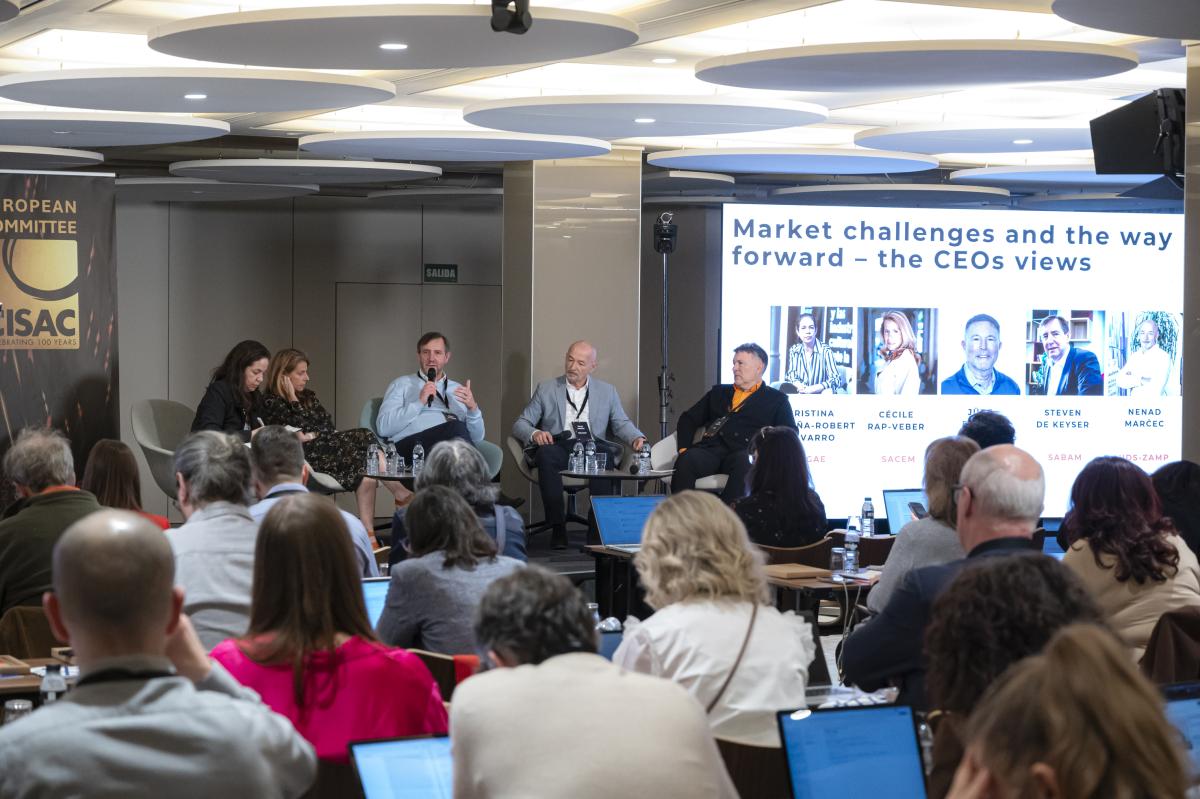
Participants also explored practical challenges in rights management, including licensing in emerging sectors such as video games, as well as ongoing issues related to live and public performance rights. Issues regarding different withholding tax regimes were also discussed. Across these discussions, the need for more efficient, transparent and adaptable systems to ensure creators are properly remunerated was a recurring theme .
Strengthening the global system: data and tools
The meeting also provided an opportunity for CISAC to present its private copying global study, published on 25 March. The study provides the most comprehensive analysis to date of private copying laws and remuneration frameworks worldwide, examining legal provisions, collection and distribution mechanisms, levy rates, and revenues derived from private copying across 196 countries and five global regions.
Members also received updates on the development of CIS-Net 2, a key infrastructure project designed to enhance data exchange and support more efficient rights management globally .
Election of a new Chair
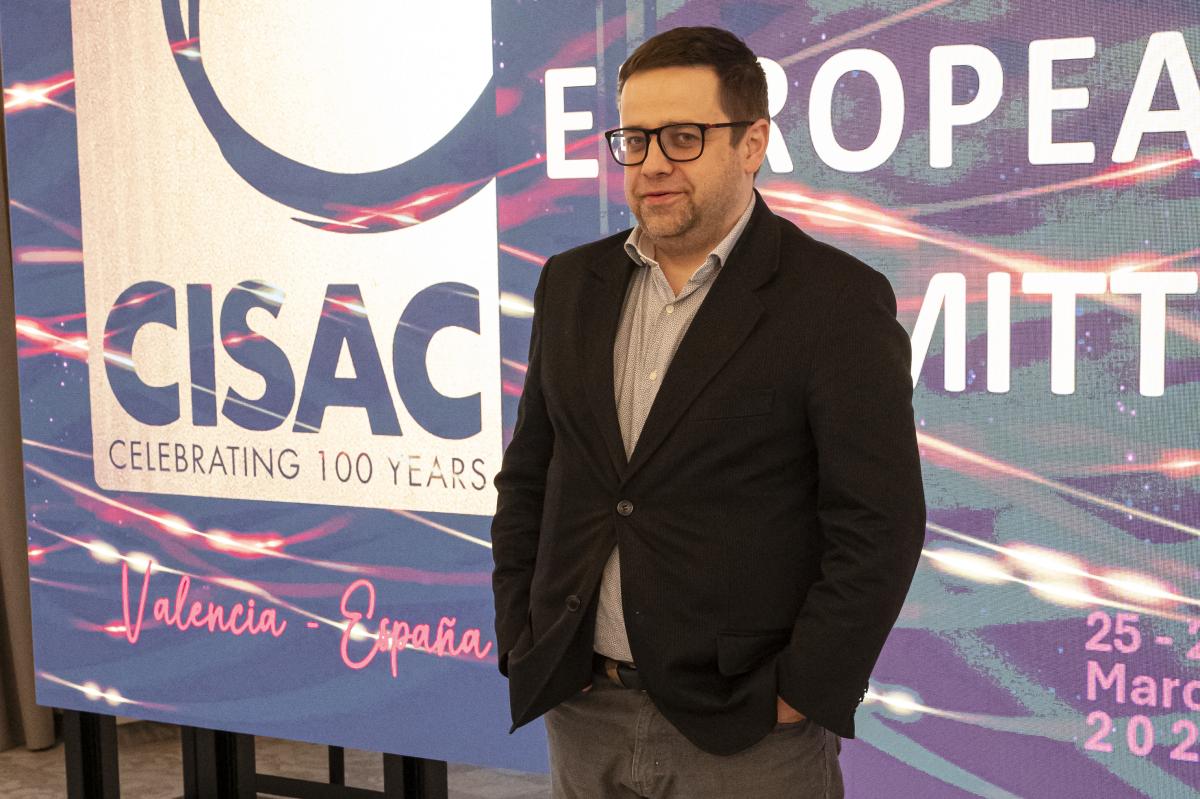
The meeting also marked a transition in leadership. Karol Kościński, CEO of ZAiKS, was elected Chair of the CISAC European Committee for the 2026–2028 term. Members paid tribute to outgoing Chair Roman Strejceck, Board Chair of OSA.
The CISAC European Committee will meet next in Poland in 2027.