Artificial Intelligence and authors’ rights take centre stage at the CISAC Latin America and the Caribbean meeting
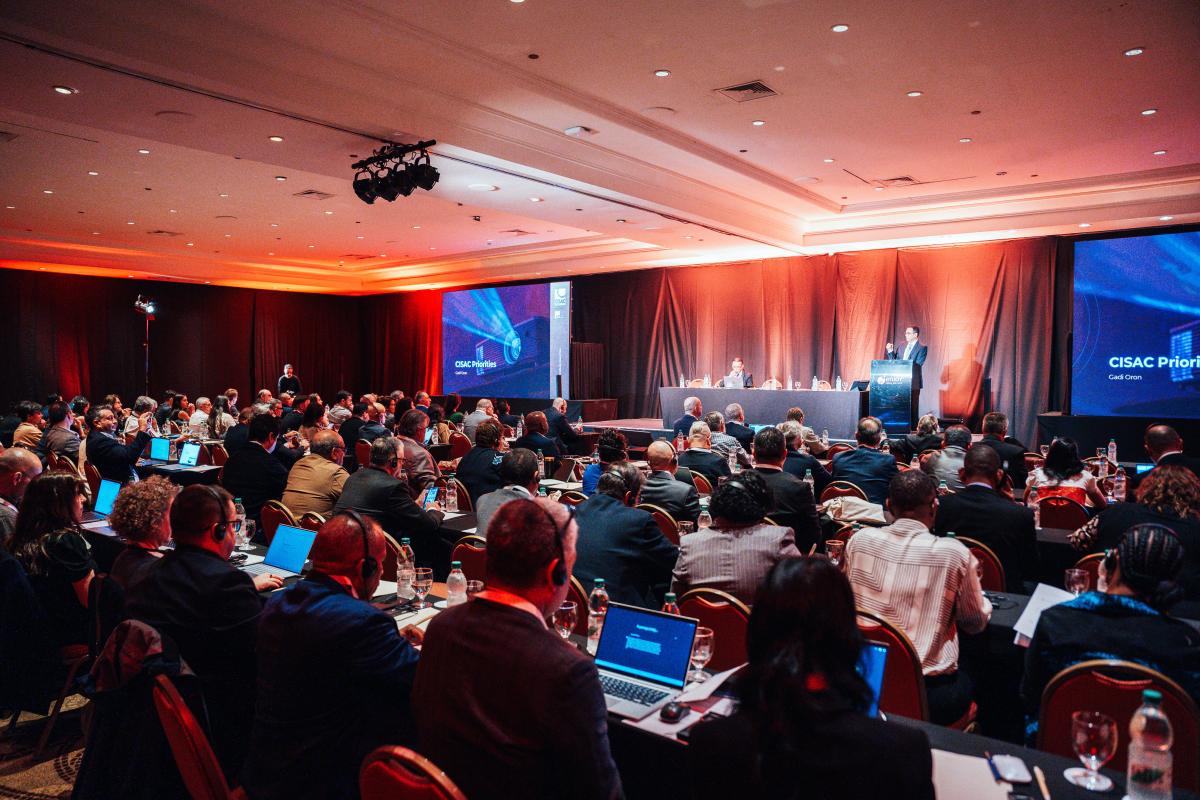
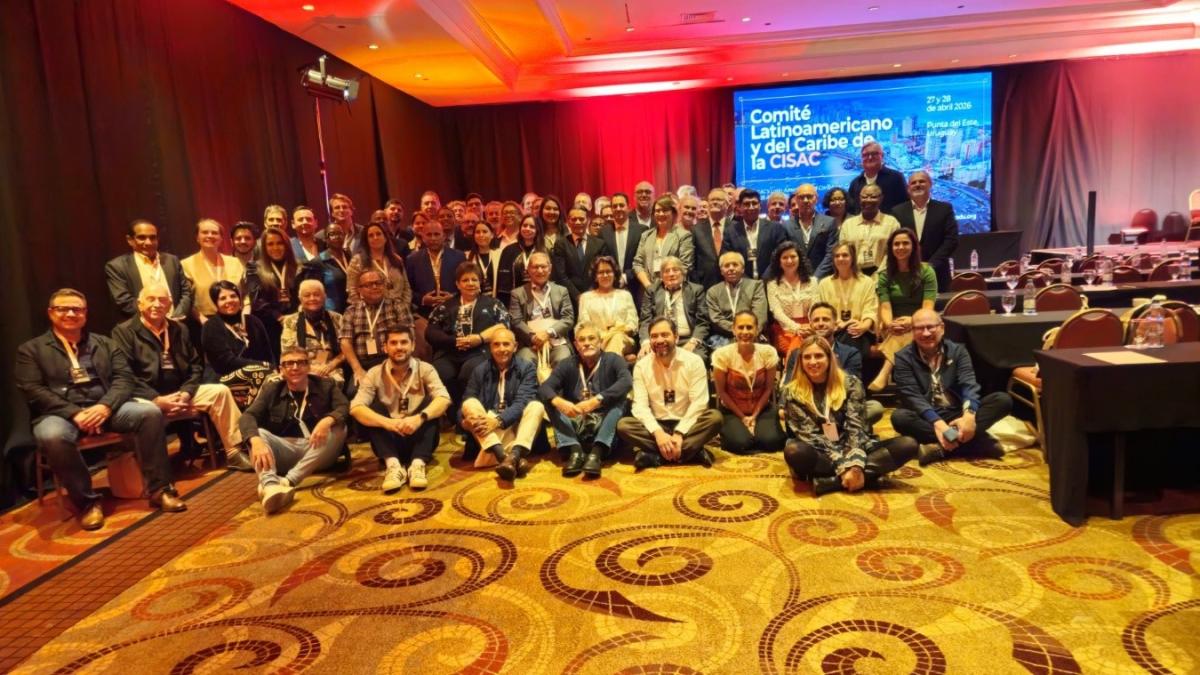
On 26 and 27 April, the CISAC Latin American and Caribbean Committee (CLC) held its latest meeting in Punta del Este, hosted by Uruguayan member society AGADU. The meeting brought together societies from across the region, alongside observers from Europe, Asia-Pacific and the United States. Over two days, discussions focused on key priorities for the region’s creative community, including artificial intelligence, legislative developments and the continued strengthening of collective management systems.
The meeting opened with remarks from Alexis Buenseñor, President of the CLC and of AGADU; Ignacio Martinez, President of the Copyright Council of the Ministry of Education and Culture of Uruguay; Javier Báez, Director General of Tourism of the Maldonado Department; and Gadi Oron, Director General of CISAC.
Addressing the committee, CISAC Director General Gadi Oron outlined CISAC’s priorities, including the continuing development of CIS-Net 2 and ongoing initiatives across private copying, audiovisual and visual arts. In the audiovisual sector, he highlighted initiatives supporting creators at major festivals in Berlin, Cartagena, Cannes and Río2C. In visual arts, he pointed to continued advocacy with WIPO, including regional conferences in Morocco, the Philippines and Uruguay.
Oron also spoke on the growing importance of AI in the confederation’s work and identified three areas of focus: advocacy, business and technical responses, and information sharing. He called on policymakers to prioritise voluntary licensing when regulating AI noting that it enables rightsholders to protect their works and negotiate fair value.
A series of panels explored key themes shaping the sector, from adapting to AI-driven change to strengthening creators’ rights and revenue streams across the region.
The panel “AI legislative developments in Latin America – Update” highlighted ongoing policy debates, including a draft law under review in Brazil and a proposed bill in Chile that has raised concerns over a broad text and data mining exception.
Discussions on “Market outlook and the future of collective management in Latin America and the Caribbean” pointed to continued growth in the region, with collections exceeding €800 million by 2025. The panel “Registration and other AI-related policies in collective management” provided a platform for societies including SCD, SAYCO, SACM and APDAYC to share emerging approaches to AI policy implementation at national level.
The Committee adopted a series of resolutions and statements. These included support for collective management in Colombia and a condemnation of irregular licensing practices by individual operators in that market. The Committee also rejected the proposed AI legislation in Chile, citing concerns over its impact on authors’ rights, and issued additional statements on the broader implications of AI and the protection of the theatre sector in Argentina.